17 November 2026
How to Maintain Clean Pavers and Prevent Weed Resurgence
Presented by @gregoryncmb689
Pavers are a popular choice for driveways, pool surrounds, patios and walkways across the Gold Coast. They look great, handle heavy use and suit the region's outdoor lifestyle. But the same warm, humid, subtropical climate that makes the Gold Coast so appealing also encourages weeds, moss, algae and mould to take hold between and on the surface of pavers. Regular maintenance and a few smart preventative steps keep paved areas looking fresh and stop weeds returning season after season.

Why Pavers on the Gold Coast Are Prone to Weeds and Staining
Several local conditions work together to create the perfect environment for unwanted growth in paving:
- High humidity and summer rainfall: Moisture lingers in joints and on shaded surfaces, feeding algae, moss and weed seeds.
- Warm temperatures year-round: Weeds can germinate and grow well beyond a single season, so there is no long dormant period.
- Sandy joints: The sand between pavers collects windblown soil, leaf litter and seeds, creating a natural seedbed.
- Salt air near the coast: Salt can contribute to efflorescence and surface wear, and it can affect some sealers over time.
- Shade from trees and fences: Shaded areas stay damp longer, which encourages black mould and slippery green algae.
Understanding these factors helps explain why a one-off clean rarely lasts. Long-term results depend on removing the cause as well as the symptoms.
Start With a Thorough Clean
Before you can prevent weeds, the surface and joints need to be properly cleared. Dirt, organic debris and old sand all give weeds something to grow in.
Sweeping and Weed Removal
Sweep paved areas weekly or fortnightly to remove leaves, grass clippings and soil before they break down and form a growing medium. For existing weeds, pull them out by hand or use a weeding knife to get the root, not just the leaf. Weeds that are snapped off at the surface will quickly regrow. A pavement weeder or https://andyfbcv013.quillnesty.com/posts/roof-pressure-cleaning-mistakes-gold-coast-owners-must-avoid crevice tool makes the job much easier on tight joints.
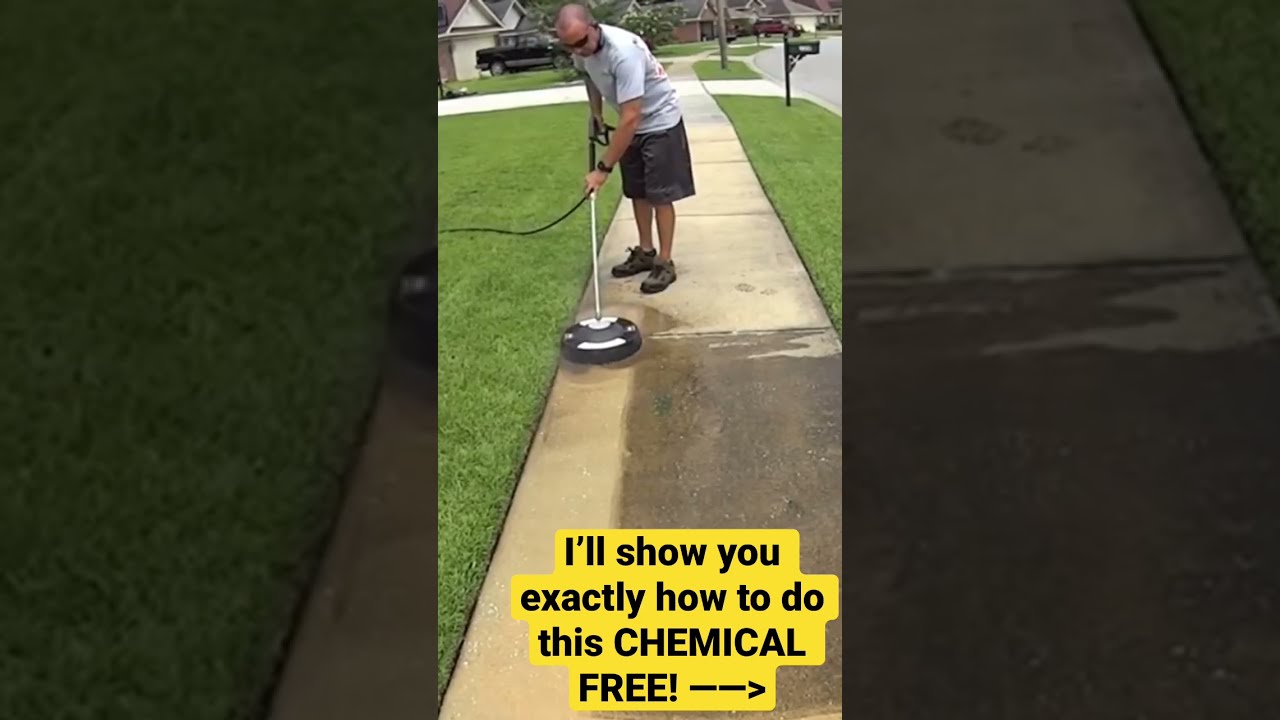
Pressure Washing the Right Way
Pressure washing is the most effective way to remove ingrained dirt, mould, algae and oil marks. A few points help avoid damage:
- Use a flat-fan nozzle or surface cleaner attachment to keep results even and avoid striping.
- Keep the nozzle a consistent distance from the surface, generally 20 to 30 centimetres, and avoid concentrating on one spot.
- Avoid excessively high pressure on older or softer pavers, as it can strip the surface and expose the porous material beneath.
- Be aware that aggressive washing blasts sand out of the joints, so plan to re-sand afterwards.
- Check local water restrictions and runoff requirements. Wash water should not be directed into stormwater drains, particularly when using cleaning products.
For stubborn black mould or algae, a pre-treatment with a suitable paver cleaner or a mould and algae treatment before washing improves results and reduces the pressure needed.
Re-Sanding and Stabilising the Joints
After cleaning, the joints must be refilled. Empty or low joints allow pavers to shift and give weeds space to establish. This step is the single most important factor in preventing weed resurgence.
Choosing the Right Joint Material
Standard kiln-dried paving sand is the traditional option, but it can wash out in heavy Gold Coast downpours and remains open to seed germination. Polymeric sand is a popular upgrade. It contains binding additives that harden when activated with water, forming a firm, flexible joint that resists washout, discourages ants and significantly reduces weed growth.
How to Apply Polymeric Sand
- Make sure the pavers and joints are completely clean and dry. Moisture in the joints will cause premature curing.
- Spread the sand over the surface and sweep it into the joints until they are filled to just below the paver edge.
- Compact the pavers lightly with a plate compactor (using a protective pad) or tap them down, then top up the joints again if they settle.
- Sweep or blow every grain of excess sand off the paver surface. Residue left on top can cause hazy staining when wetted.
- Mist the area lightly with water according to the manufacturer's instructions, and avoid rain during the curing period. Check the weather forecast before starting, as sudden storms are common in summer.
Even polymeric sand is not permanent. Weeds can still grow in surface dirt that settles on top of the joints, so ongoing sweeping remains important.
Weed Control Options
There are several ways to deal with weeds in paving, and the best approach often combines more than one.
Manual and Heat-Based Methods
Hand weeding is effective for small areas. Boiling water poured over weeds in joints can kill young growth, though it is less reliable for deep-rooted species. Flame or steam weeders are also available and avoid chemicals, but repeat treatments are usually needed.
Herbicides and Pre-Emergent Products
Post-emergent herbicides kill weeds that are already growing, while pre-emergent products help stop seeds from germinating in the first place. If you choose to use chemical products:
Always read and follow the label directions, and use only products registered for use on paved surfaces in Australia. Apply on calm, dry days to prevent spray drift onto lawns, gardens or pool areas, and keep pets and children away until the area is dry. Take particular care near garden beds, waterways and stormwater drains. Where possible, spot-treat rather than blanket-spraying to limit environmental impact.
Natural and Low-Impact Alternatives
Many homeowners prefer vinegar-based or other plant-derived weed sprays. These can burn the leaf growth but often do not kill the roots, so expect to reapply more frequently. Avoid using salt as a weed killer on pavers. It can damage the paving, harm nearby plants and soil, and leach into the surrounding environment.
Sealing Pavers for Easier Maintenance
Sealing is one of the best long-term investments for paved areas on the Gold Coast. A quality sealer protects against oil, grease, tannin stains and moisture absorption, and makes routine cleaning easier. It also helps lock in joint sand when used with the right product.

- Penetrating sealers soak into the paver and provide protection with a natural appearance.
- Film-forming sealers sit on the surface and can enhance colour, with finishes ranging from matt to gloss.
- Slip resistance matters around pools and wet areas. Choose a sealer that suits the location and, where needed, one with anti-slip additives.
Sealers need to be reapplied periodically. The interval typically ranges from two to five years depending on the product, sun exposure and foot or vehicle traffic. Always clean thoroughly and allow pavers to dry fully before sealing, as trapped moisture can cloud the finish.
Fix Drainage and Environmental Causes
If weeds and moss keep returning, an underlying issue may be responsible. Check the following:
Pavers that hold standing water after rain may have poor drainage or settled base material, which keeps joints constantly damp. Garden beds and lawns that sit higher than the paved area can wash soil onto the surface. Overhanging trees drop leaves, flowers and seeds that decompose in the joints. Trimming back vegetation, improving airflow and sunlight, and correcting low spots or blocked drains all reduce the conditions that encourage regrowth. Consider installing edging or a retaining border to stop soil and mulch spilling onto paving.
A Simple Year-Round Maintenance Routine
Consistency makes the biggest difference. A basic schedule suited to Gold Coast conditions might look like this:
Weekly to fortnightly: sweep or blow away leaf litter and debris, and pull any new weeds as soon as they appear.
Every three to four months: inspect joints for gaps, check for early moss or algae growth in shaded areas, and spot-treat as needed.
Once or twice a year: pressure wash, top up or replace joint sand, and treat mould or algae. Late winter or early spring, before the peak growing season, is a practical time to do this. A second clean after the wet summer months can also help.
Every two to five years: reseal the pavers according to the product's recommended lifespan.
When to Call a Professional
DIY maintenance works well for many homes, but professional help can be worthwhile for large driveways, heavily stained or neglected paving, sloping sites where slip hazards are a concern, or surfaces with sunken or lifted pavers. A qualified paving or exterior cleaning service has commercial-grade equipment, knows which products suit local conditions, and can reset uneven pavers and restore joints correctly. When choosing a provider, ask about their approach to wastewater management, the products they use and their experience with the type of paver you have.
Final Thoughts
Keeping pavers clean and weed-free on the Gold Coast comes down to a few core habits: clearing debris regularly, maintaining full and stable joints, treating weeds early, sealing the surface, and addressing moisture and drainage problems. With the right routine in place, your paving will stay safer, cleaner and more attractive for years, and weeds will have far fewer chances to return.
Gold Coast Pressure Cleaning Experts
Factory 2/60 Newheath Dr, Arundel QLD 4214
(07) 5240 9985